
Candidates read both the review and your response. A thoughtful reply shows maturity and care for your people, which can matter as much as the review itself.
Employer replies are one of the few tools you have on Glassdoor, and they are visible to every candidate who reads the review. A thoughtful response can turn a negative moment into a demonstration of your culture.
This guide gives you a structure and examples, and shows you how to avoid common mistakes.
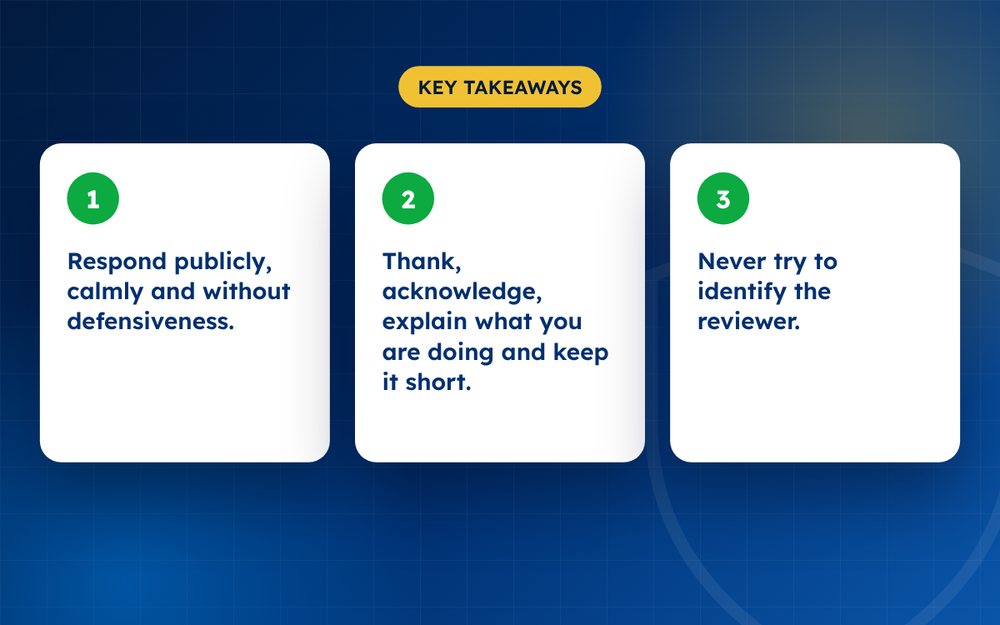
- Respond publicly, calmly and without defensiveness.
- Thank, acknowledge, explain what you are doing and keep it short.
- Never try to identify the reviewer.
A reply structure that works
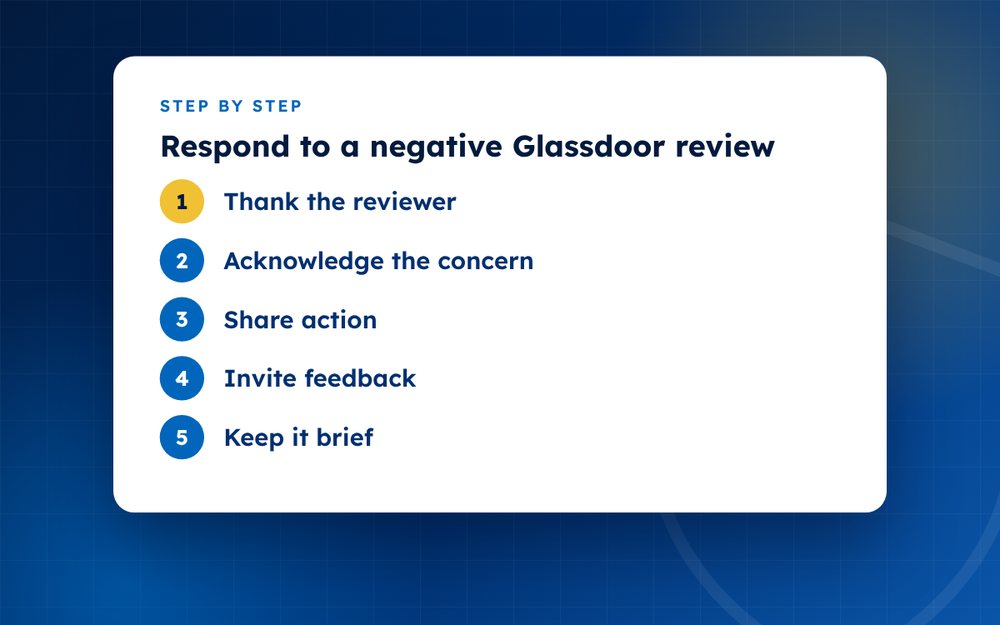
- Thank the reviewerAppreciate that they shared their experience.
- Acknowledge the concernShow you take it seriously, without arguing.
- Share actionExplain what the company is doing or reviewing about the issue.
- Invite feedbackEncourage employees to speak to HR or leadership.
- Keep it briefThree to five sentences is plenty.
Matching your reply to the type of review
Some reviews describe a real problem, such as workload or management style. Others are about a personal grievance. Some include allegations that are serious. For each, the reply should acknowledge the concern, avoid detail that identifies anyone and describe what you are doing. If the allegation is serious, tell the reviewer to contact HR so that it can be investigated properly.
More examples
Example for workload: Thank you for sharing your experience. We take feedback about workload seriously. We have recently reviewed staffing in this department and would welcome a conversation with our HR team about your concerns.
Example for management concerns: We are sorry to hear that this has been your experience. Leadership is committed to listening to our teams, and we encourage anyone with concerns to speak to HR confidentially.
Building a positive picture over time
- Reply to a mix of positive and negative reviews
- Keep your company profile updated with photos, benefits and values
- Encourage employees to share honest experiences
- Fix repeated problems and say publicly what has changed
Involving HR and leadership
Before you publish a reply to a serious review, share it with HR and a senior leader. They may spot wording that sounds defensive, or an issue that needs investigation. Replies that have been checked in this way are more consistent and less likely to cause problems later.
Keep a record of the reviews you reply to, and review them quarterly for patterns. If the same concern appears repeatedly, treat it as a signal that something in your workplace needs attention.
Example: Thank you for sharing your experience. We are sorry to hear about the workload pressures you describe. We have started a review of staffing in this team and welcome conversations with our HR team. We are committed to making this a better place to work.
Mistakes to avoid
- Attacking the reviewer or calling them a liar
- Revealing confidential information
- Guessing who wrote the review
- Posting several replies within minutes
Replies work best alongside genuine improvements and honest reviews from current staff.
Frequently asked questions
Can I reply to old reviews?
Yes. A reply is still seen by new readers, so it is worth responding to older reviews that remain visible, especially those that raise issues you have since addressed. In your reply, mention what has changed so that candidates see progress. Keep it short and respectful.
Do I need an employer account?
Yes, a free employer account is needed to respond to reviews. You will need to verify that you represent the company, which usually involves confirming your work email. Once approved, you can reply to reviews, update your profile and flag content for moderation.
Should I reply to positive reviews?
It is good practice to thank them briefly. A short note shows that you value feedback and balances the tone of your profile. You do not need to reply to every positive review, but regular thanks make your employer brand feel warmer and more engaged.
Can I edit my reply?
Usually yes, through your employer account. Check the options available, because platforms update their tools. If you notice a mistake or want to add information, edit promptly. Avoid making substantial changes that make older conversations confusing, and keep a record of what you originally posted.
Should I argue with factual errors?
Correct clear factual errors politely and briefly, for example by stating the correct dates or policy. Avoid arguing about opinions or experiences, which cannot be settled by debate. A calm correction, followed by an invitation to talk to HR, is more persuasive than a long rebuttal.
What if the review identifies someone in management?
Flag it for breaching guidelines on naming individuals, and avoid mentioning the person in your reply. If the review contains serious allegations, speak to HR and legal advisers so that the matter can be investigated properly. Do not retaliate or try to identify the reviewer.
Need help with this?
Every situation is different. Email us the details in confidence and we will reply with an honest assessment of what can be done.
Contact us by email Glassdoor ReviewsThis guide is general information, not legal advice. DMCA Reputation is not a law firm.
Related guides
How to Remove a Google Review: A Complete Guide for Business Owners
How to remove a Google review: what Google will remove, how to report it, how to appeal and what to do if it stays. A guide for business owners.
Read the guide · 6 min
Can You Delete a Google Review? What Google Will and Won't Remove
Can you delete a Google review? Learn who can delete one, what Google removes on request, and what your options are when a review will not come down.
Read the guide · 5 min
How to Report a Fake Google Review, Step by Step
How to report a fake Google review step by step: spotting fakes, flagging from your Business Profile, evidence to gather and what to do if it stays.
Read the guide · 5 min