
Finding out that private photos have been shared is a shock. You may feel panic, shame or anger. None of this is your fault. The first steps below help you take back control calmly.
If you have just discovered that private photos have been shared, you may be dealing with shock, fear and anger all at once. That is a completely understandable reaction. You have been wronged, and the steps that follow are ways of taking back control.
Take a breath, find someone you trust and work through the list below at your own pace.
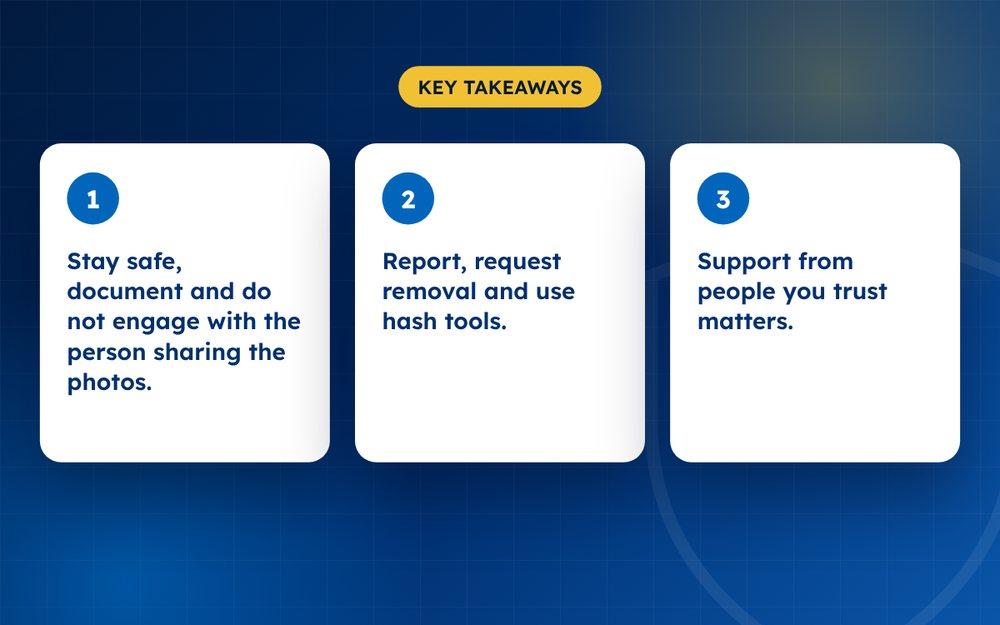
- Stay safe, document and do not engage with the person sharing the photos.
- Report, request removal and use hash tools.
- Support from people you trust matters.
The first hour
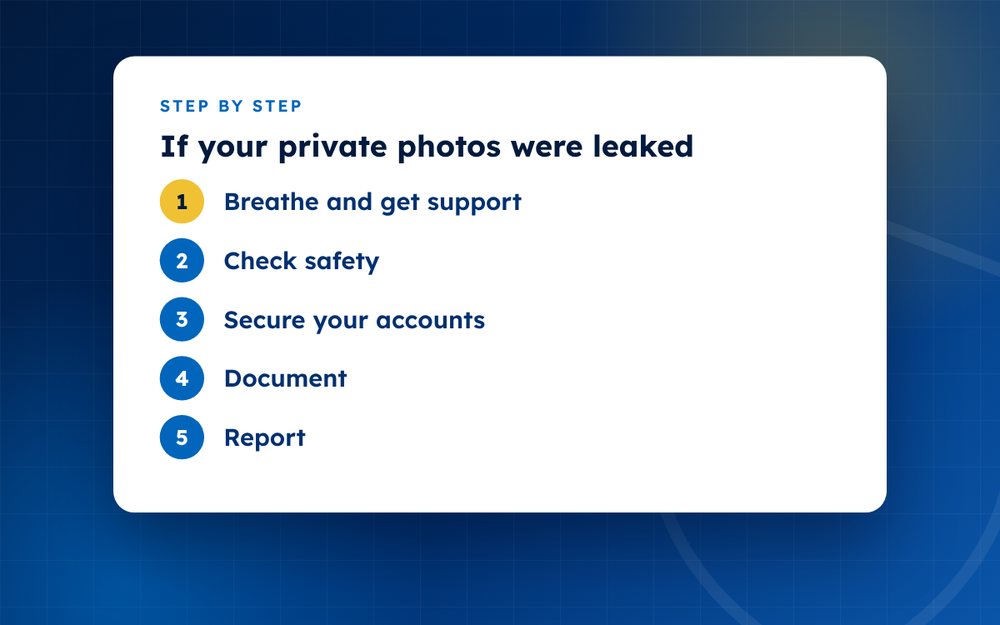
- Breathe and get supportTell someone you trust. You do not have to handle this alone.
- Check safetyIf you feel threatened, contact the police.
- Secure your accountsChange passwords and turn on two-factor authentication.
- DocumentScreenshot each page with the URL and date.
- ReportUse each platform's report option for non-consensual intimate content.
- Use hash toolsStopNCII.org helps stop sharing on participating platforms.
- Ask search engines to remove linksUse Google and Bing forms for explicit images.
- Ask for helpA specialist can send requests and monitor for new posts.
First, steady yourself
Panic leads to rushed decisions, such as deleting messages that would be useful evidence or replying to someone who is trying to provoke you. Give yourself a few minutes. Tell someone you trust what has happened, and ask them to sit with you while you do the practical steps, if you are comfortable doing so.
Evidence first, then reports
- Screenshot the pages, including the address bar and date
- Save the profile of the person who posted the content
- Keep any messages or threats
- Write a short timeline of what happened and when
- Store everything in a secure folder that only you can access
Reaching out for help
Organisations such as the Cyber Civil Rights Initiative, the Revenge Porn Helpline and the eSafety Commissioner in Australia offer confidential advice, and similar services exist in many countries. They can explain your options, help you report content and sometimes provide emotional support. If you are in immediate danger, contact emergency services.
The longer road
Even after the first takedowns, you may need to monitor for reposts and handle new links. That is tiring, and it is acceptable to ask a trusted friend, a support service or a specialist to take over the searching. Looking after your wellbeing is part of the process, not a distraction from it.
Talking to others about it
You do not have to share details with anyone you do not trust. If you decide to tell friends, family or colleagues, consider a short, factual statement such as saying that private images were shared without your consent and that you are taking action. Ask for their support, not their opinions.
If someone reacts badly, remember that their reaction says more about them than you. Support organisations can help you plan these conversations if you wish.
Do not
- Pay anyone who threatens you
- Reply to the person who leaked them
- Share the images again to complain
We handle these cases in confidence and without judgement. You can email us when you are ready.
Frequently asked questions
Is sharing private photos a crime?
In many countries, yes. Sharing intimate images without consent is a criminal offence or a civil wrong in a growing number of jurisdictions. The details differ, so ask the police, a local lawyer or a victim support organisation about the law where you live.
Should I tell my family?
That is your choice. Some people find that support from family and friends makes the process easier, while others prefer to wait until they have taken the first steps. If you are worried about how they will react, a counsellor or helpline can help you prepare.
Will the photos go away?
Often most of them can be removed or hidden, but no honest provider can promise that all copies will disappear. The realistic goal is to remove as much as possible, reduce visibility in search and monitor for reposts. Many people find that the problem becomes manageable over time.
Should I go to the police?
It can help, especially if there are threats, blackmail or a known offender. Bring screenshots, links and your timeline. You can ask whether there is a specialist unit that deals with online abuse. You can still pursue removal without a police report.
What if the images were taken without my knowledge?
This is also a serious offence in many places. Report it to the police and to the platforms, and keep any evidence you have. A support organisation can advise you on the legal options in your country.
Can I get support if I feel overwhelmed?
Yes. Helplines, counsellors and trusted friends can all help. If you feel unsafe or are thinking about harming yourself, contact emergency services or a crisis line in your country straight away.
Need help with this?
Every situation is different. Email us the details in confidence and we will reply with an honest assessment of what can be done.
Contact us by email Leak Content RemovalThis guide is general information, not legal advice. DMCA Reputation is not a law firm.
Related guides
How to Remove Leaked Photos or Videos From the Internet
How to remove leaked photos or videos from the internet: evidence, platform reports, DMCA, search removal and prevention. A calm step-by-step guide.
Read the guide · 4 min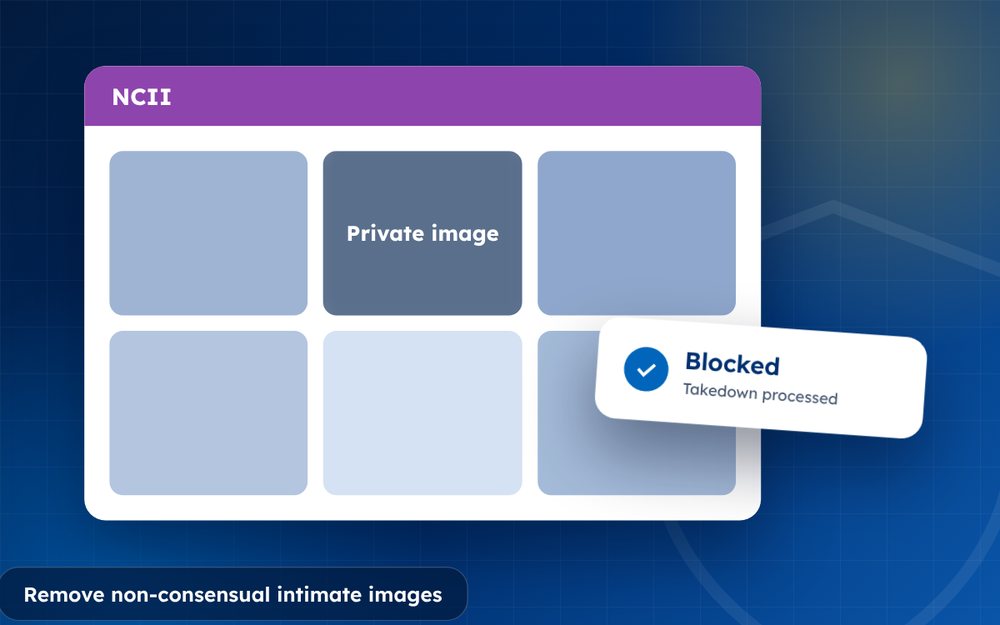
How to Remove Non-Consensual Intimate Images (NCII), Step by Step
How to remove non-consensual intimate images (NCII): reporting, StopNCII.org, Google removal, legal options and support. A step-by-step guide.
Read the guide · 4 min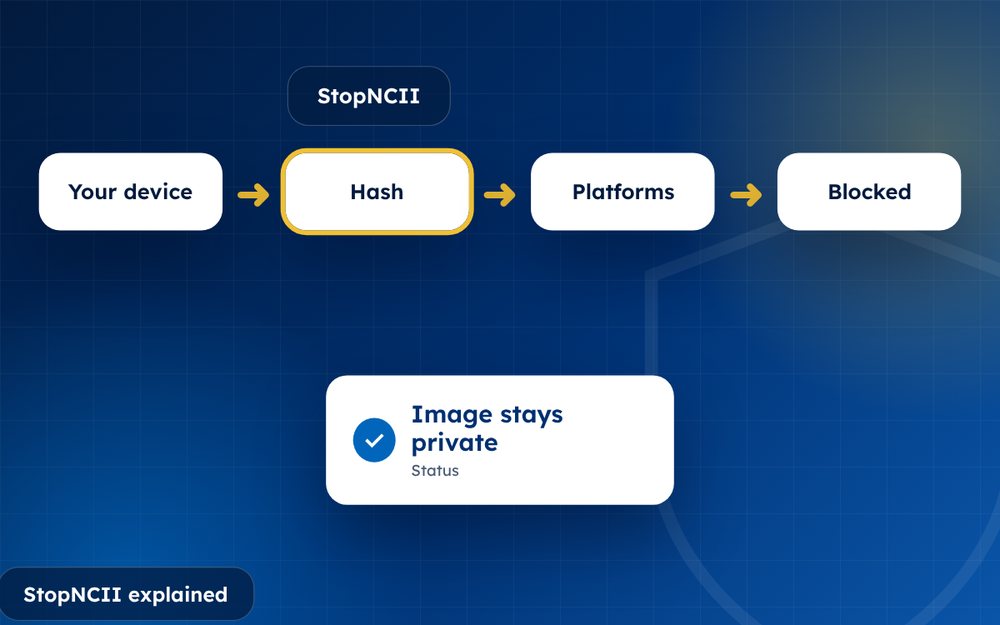
StopNCII Explained: How to Stop Your Images From Spreading
StopNCII explained: how the free hash-matching tool works, who can use it, which platforms take part and what it cannot do.
Read the guide · 4 min