
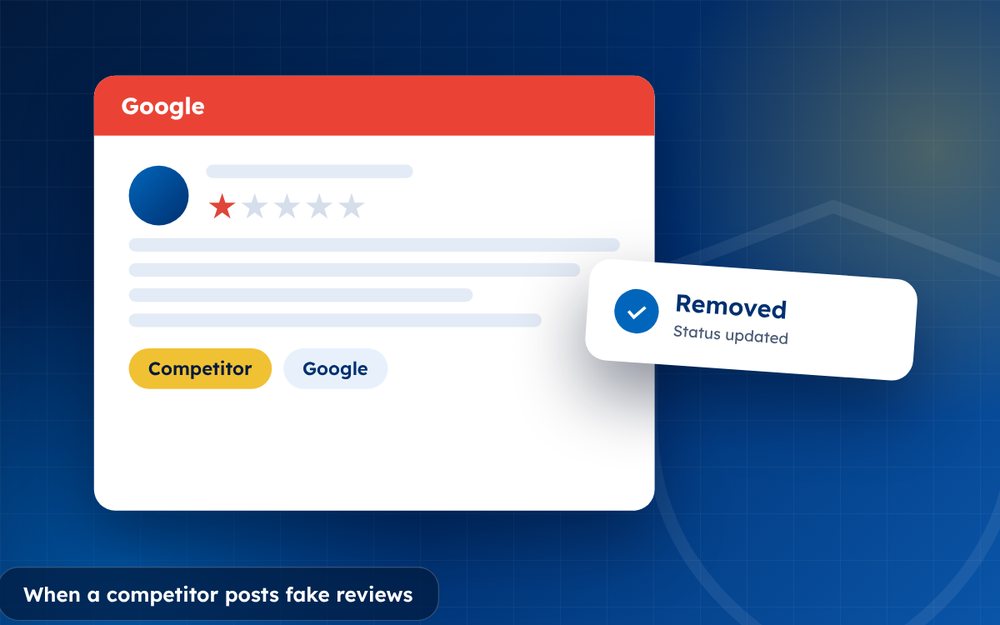
Competitor attacks do happen. Fake reviews break platform rules and often consumer laws.
When a competitor posts fake reviews, it is more than an irritation. It can mislead customers, harm your sales and damage your brand. It is also against platform rules and, in many places, against the law.
The challenge is proving that it is a competitor. A careful, evidence-led approach is more effective than accusations.
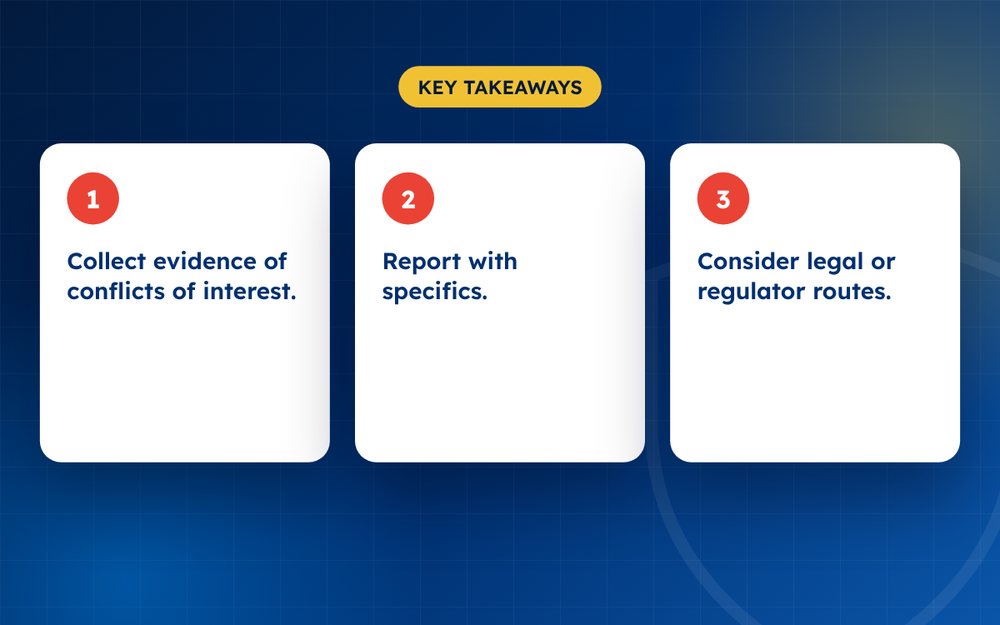
- Collect evidence of conflicts of interest.
- Report with specifics.
- Consider legal or regulator routes.
Steps
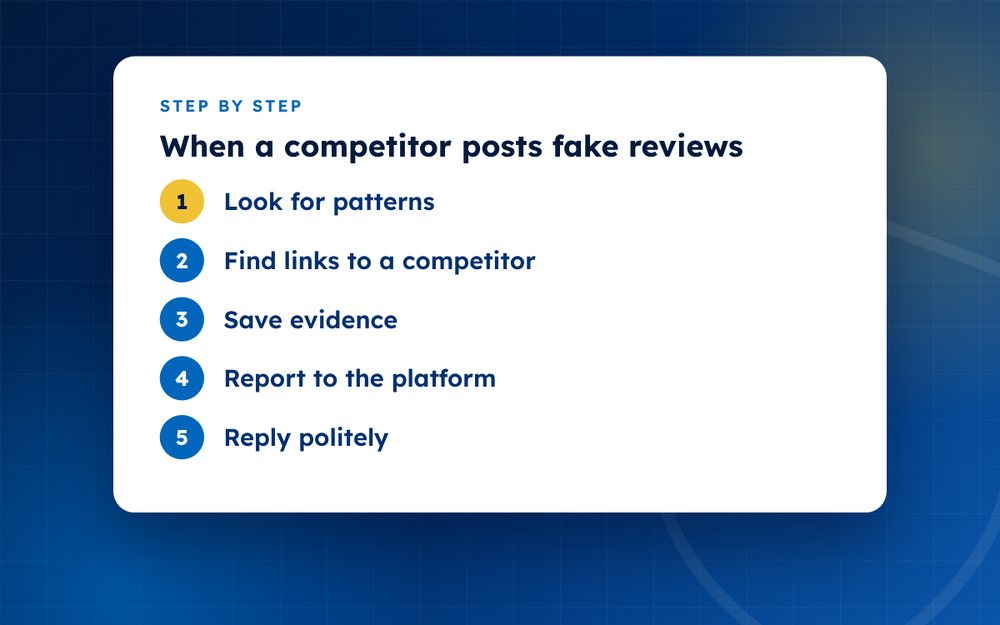
- Look for patternsSame wording, new accounts, timing.
- Find links to a competitorCheck profile history and connections.
- Save evidenceScreenshots and records.
- Report to the platformChoose conflict of interest or fake content.
- Reply politelyShow readers your side.
- Gather real reviewsAsk genuine customers.
- Take legal adviceUnfair competition and defamation laws may apply.
- Report to regulatorsConsumer regulators take fake reviews seriously.
What evidence might look like
- Reviews that mention details only a competitor would know
- Reviewer accounts with links to a competitor's staff or associates
- Reviews posted around the time of a competitor's marketing campaign
- Matching writing styles or phrases found in the competitor's materials
- A pattern of attacks on your business and praise for theirs
Reporting
Use the platform's reporting tools and choose the reason that fits, such as conflict of interest or fake content. Describe the evidence clearly and attach screenshots. If you have strong evidence, ask platform support to review the case. Avoid making unfounded accusations.
Using other channels
Consumer protection and advertising regulators in many countries take fake reviews seriously and accept complaints. If there is clear evidence, a lawyer can send a letter or advise on legal action for unfair competition or defamation. Industry bodies may also have codes of conduct.
Protecting yourself
Do not respond by posting fake reviews about the competitor. That would break the rules and could expose you to legal risk. Instead, focus on genuine reviews, professional replies and monitoring for repeat behaviour.
Keeping a clean record
If you suspect a competitor, document everything in an organised way. Use dates, links and screenshots, and keep a log of the actions you take. A well-kept record makes your reports more persuasive and helps your lawyer if you decide to take action.
Raising standards in your market
Fake reviews harm honest businesses. Consider supporting industry efforts to promote transparency, such as codes of conduct and accurate review practices. Share information with trade bodies if you see widespread abuse. Collective action can be more effective than acting alone.
Email us the details for an assessment.
Frequently asked questions
Can I prove it is a competitor?
It is often hard to prove. Evidence of links, timing and patterns can support a report, but platforms may not act unless it is clear. Focus on showing that the review is not genuine or that there is a conflict of interest.
Should I retaliate?
No. Retaliation can break rules, harm your reputation and create legal problems. Keep your own conduct clean and let evidence speak.
Will platforms act?
If the evidence is strong and the review breaks their rules, yes. Many platforms have processes for conflicts of interest. Results vary, so be persistent and professional.
Is it illegal?
Often, under consumer protection, advertising and unfair competition laws. The exact rules depend on the country. A lawyer can advise.
What if the competitor is overseas?
Platforms still apply their rules. Legal action is harder across borders. Focus on platform reports and regulator complaints.
How can I discourage future attacks?
Build a large base of genuine reviews, monitor your profiles and report quickly. A visible record of professionalism makes attacks less effective.
Need help with this?
Every situation is different. Email us the details in confidence and we will reply with an honest assessment of what can be done.
Contact us by email Fake Review RemovalThis guide is general information, not legal advice. DMCA Reputation is not a law firm.
Related guides
What to Do When You Are Doxxed: A Step-by-Step Guide
What to do when you are doxxed: safety steps, removing personal information, reporting, securing accounts and getting support.
Read the guide · 4 min
How to Handle a Viral Negative Post About You or Your Business
How to handle a viral negative post about you or your business: first response, facts, communication and recovery.
Read the guide · 3 min
How to Respond to a Smear Campaign
How to respond to a smear campaign: document, report, communicate, build positive content and consider legal advice.
Read the guide · 3 min