
A good press release is news, not advertising. Done well, it earns coverage, backlinks and strong search results.
A press release is a short, factual announcement of something newsworthy. When it works, it reaches journalists, earns coverage and creates links and mentions that help your search results. When it does not, it is ignored.
The difference is almost always the news. Journalists and readers care about what has changed, not about how good you are.
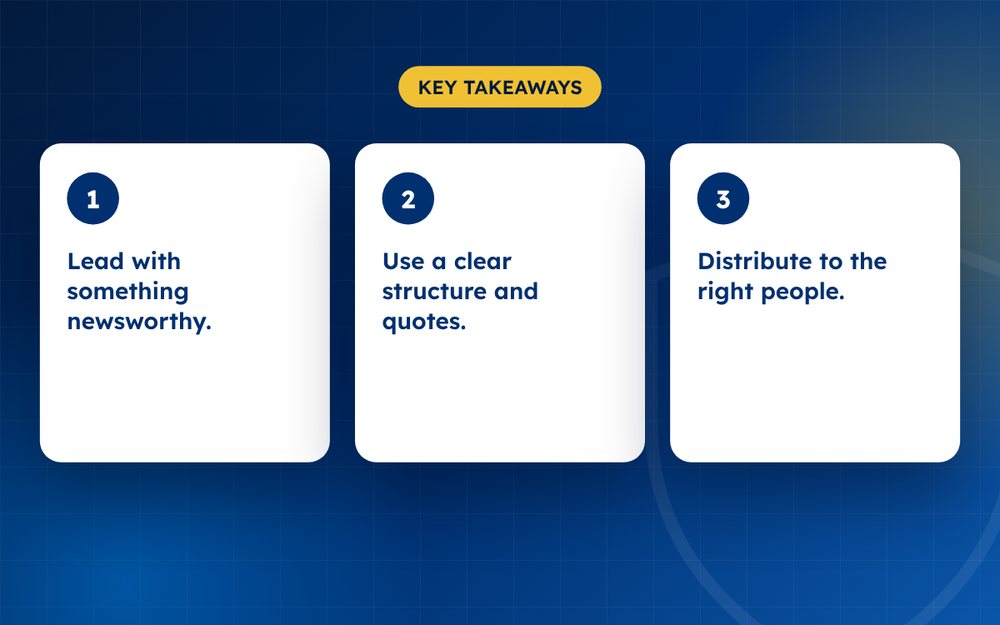
- Lead with something newsworthy.
- Use a clear structure and quotes.
- Distribute to the right people.
Steps
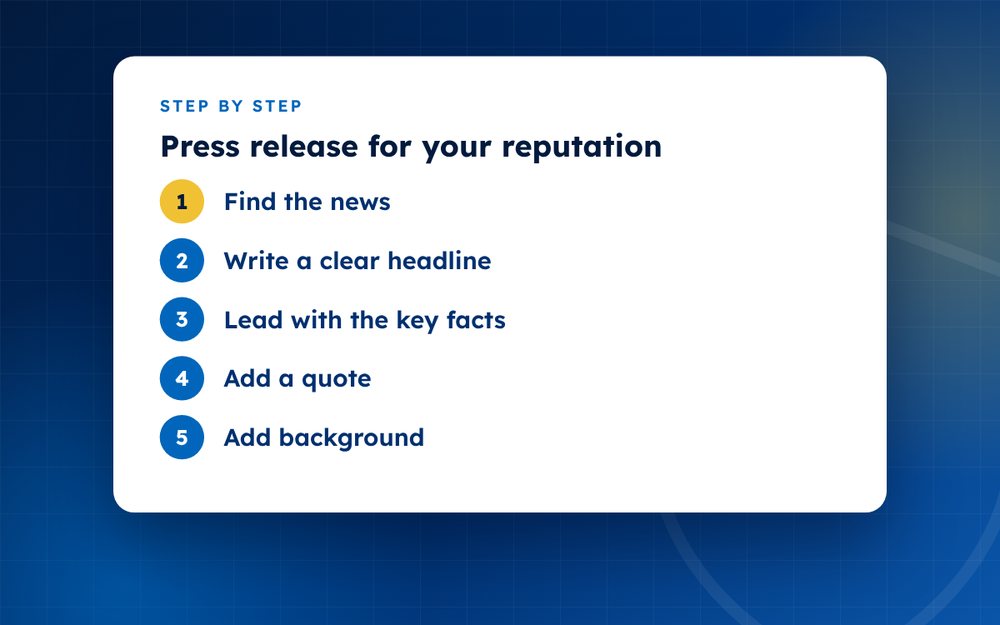
- Find the newsLaunches, awards, partnerships, milestones or research.
- Write a clear headlineSay what happened in plain words.
- Lead with the key factsWho, what, when, where and why.
- Add a quoteA real quote adds credibility.
- Add backgroundA short About section.
- Include contact detailsMake it easy for journalists to reach you.
- Distribute wiselySend to relevant reporters and publish on your site.
- MeasureTrack coverage and links.
What counts as news
- A new product, service or location
- A major hire, partnership or investment
- An award or certification
- Results of research or a survey
- A response to a significant development in your industry
- A charity or community initiative
Structure that works
Start with a clear headline that states the news. Follow with a first paragraph that answers who, what, when, where and why. Add details, a quote from someone involved, relevant facts and background. End with a short description of your organisation and contact details. Keep it to one page where you can, and write in plain language.
Distribution
Send your release to journalists and outlets that cover your area, with a short personal note. Publish it on your website as a news page. Share it on social platforms. Paid distribution services can help in some cases, but they do not guarantee coverage. Quality targeting is more important than quantity.
Using releases for reputation
Releases can highlight positive developments, such as completing a project, receiving an award or resolving a past issue. They also create pages on trusted sites that can rank for your name. Make sure each release is accurate, because errors can damage credibility.
A sample structure
Headline: Company X launches free guide to online safety for small businesses. First paragraph: Company X today announced a free guide that helps small businesses protect their customers online. The guide, available from this week, covers passwords, payment security and what to do after an incident. Quote: A short, practical statement from a leader. Background: A few lines about the company. Contact: Name, email and phone number.
Adapting this structure to your news helps you stay focused on what matters to readers.
Following up
After sending a release, follow up with a short, polite message to a few key journalists. Offer an interview, data or images. Track who responds. Do not chase aggressively. Build relationships over time, because journalists remember helpful, reliable sources.
Email us if you need help with PR.
Frequently asked questions
Do press releases help SEO?
Indirectly. A release itself does not guarantee rankings, but coverage and links from reputable sites can strengthen your search presence. Publish releases on your own site as well, and avoid stuffing them with keywords.
How long should it be?
Around 300 to 500 words is typical. Be concise and focus on the news. Journalists read many releases and appreciate clarity.
Should I pay for distribution?
Only if it reaches relevant media and gives value. Many paid services publish on sites that have little authority. Direct outreach to journalists is often more effective.
How often should I issue them?
When you have real news. Sending too many releases about minor matters can reduce attention. A few strong releases a year are better than many weak ones.
Can I use a release to respond to criticism?
Sometimes, but be careful. A factual statement can help explain a situation, but an angry or defensive one can draw more attention to the issue. Consider advice before publishing.
Do I need a professional to write it?
Not necessarily. Clear, honest writing matters most. A professional can help with tone, angle and distribution.
Need help with this?
Every situation is different. Email us the details in confidence and we will reply with an honest assessment of what can be done.
Contact us by email Digital PR and Press ReleasesThis guide is general information, not legal advice. DMCA Reputation is not a law firm.
Related guides
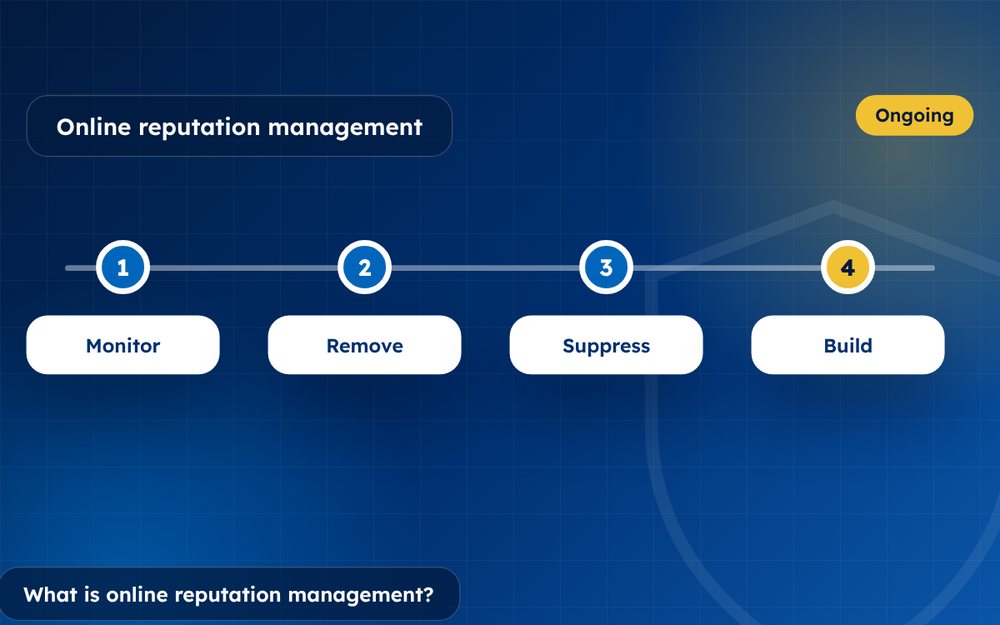
What Is Online Reputation Management? A Beginner's Guide
What is online reputation management? A beginner's guide to monitoring, removal, suppression and building a positive online presence.
Read the guide · 4 min
How to Build a Positive Online Reputation, Step by Step
How to build a positive online reputation step by step: profiles, content, reviews, press and monitoring for individuals and businesses.
Read the guide · 4 min
Personal Branding: How to Build a Strong Personal Brand Online
Personal branding guide: how to build a strong personal brand online with a clear message, a website, profiles and consistent content.
Read the guide · 3 min