
A personal brand is the impression people form of you online. Building it deliberately protects your reputation and opens opportunities.
A personal brand is simply the set of impressions people have of you, based on what you do, what you say and what others say about you. Everyone has one, whether or not they manage it. Building it deliberately gives you more say.
This is useful for professionals, founders, creators and anyone whose name matters to their work.
- Start with a clear message and audience.
- Own a website and consistent profiles.
- Share useful content regularly.
Steps
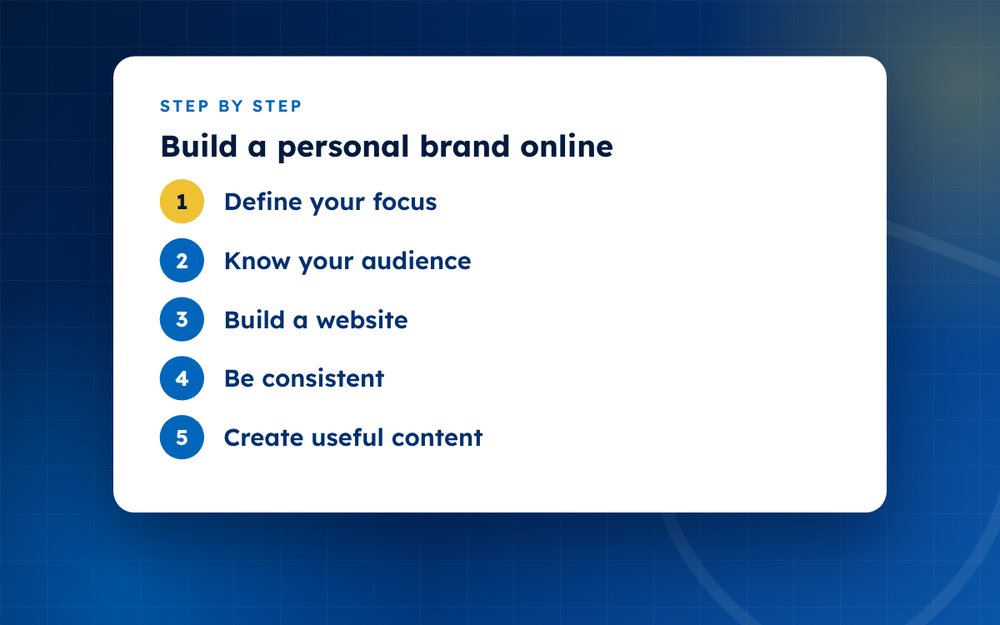
- Define your focusDecide what you want to be known for.
- Know your audienceThink about who you want to reach.
- Build a websiteA simple site with your name, story and contact.
- Be consistentSame name, photo and bio across profiles.
- Create useful contentArticles, videos or talks that show expertise.
- EngageReply, comment and share others' work.
- Collect proofTestimonials, results and press.
- ReviewCheck your results every few months.
Clarity comes first
Before posting or building a website, decide what you want to be known for and who you want to reach. A narrow, clear focus is easier for people to remember than a broad list of skills. Write a single sentence that states what you do and who you help, and test it on a few people.
Consistency across places
- Use the same name, photo and description on every profile
- Keep a consistent tone of voice
- Link your profiles together and to your website
- Use similar colours and style so that your content is recognisable
- Update everything when your role changes
Create useful content
Share what you know. Articles, short videos, talks, case studies and answers to common questions all show expertise. Choose a format that you can maintain. Quality and regularity matter more than volume. Reuse content across platforms, adapting it to each.
Build relationships
Engage with other people's work, comment thoughtfully, share credit and collaborate. Relationships create mentions, introductions and opportunities that no amount of self-promotion can match. Be generous, and be patient.
Measuring whether it is working
Look at simple signals: how many people visit your profile, how many contact you because of your content, whether your name returns the pages you want and whether opportunities such as invitations or introductions are increasing. Review these every quarter, and adjust your content and platforms based on what you learn.
A personal brand grows slowly but steadily. Keep a record of your wins, because they help you see progress on days when it feels slow.
Email us to talk about your plan.
Frequently asked questions
Do I need to be on every platform?
No. Choose the few where your audience spends time and where you can maintain a presence. A strong LinkedIn profile and a personal website are enough for many professionals. Add others as your capacity and goals grow.
How often should I post?
Consistency matters more than frequency. A schedule that you can maintain, such as one post a week, is better than a burst of activity followed by silence. Quality should come first.
Can a personal brand protect me?
It can. A strong brand fills your search results with accurate, positive information and gives you a community that knows who you are. It does not prevent problems, but it makes them easier to handle.
How long does it take?
Months. You may see early benefits, such as better profile views, within weeks, but a recognised brand takes time. Keep going and track what works.
Is it authentic to build a brand?
Yes, when it reflects who you really are. A brand is a way of communicating your strengths clearly. Avoid exaggeration or pretending to be someone you are not.
What if I do not like self-promotion?
Focus on being useful. Share what you have learned, give credit to others and talk about problems you solve. That approach feels more natural and tends to be more effective.
Need help with this?
Every situation is different. Email us the details in confidence and we will reply with an honest assessment of what can be done.
Contact us by email Personal BrandingThis guide is general information, not legal advice. DMCA Reputation is not a law firm.
Related guides
What Is Online Reputation Management? A Beginner's Guide
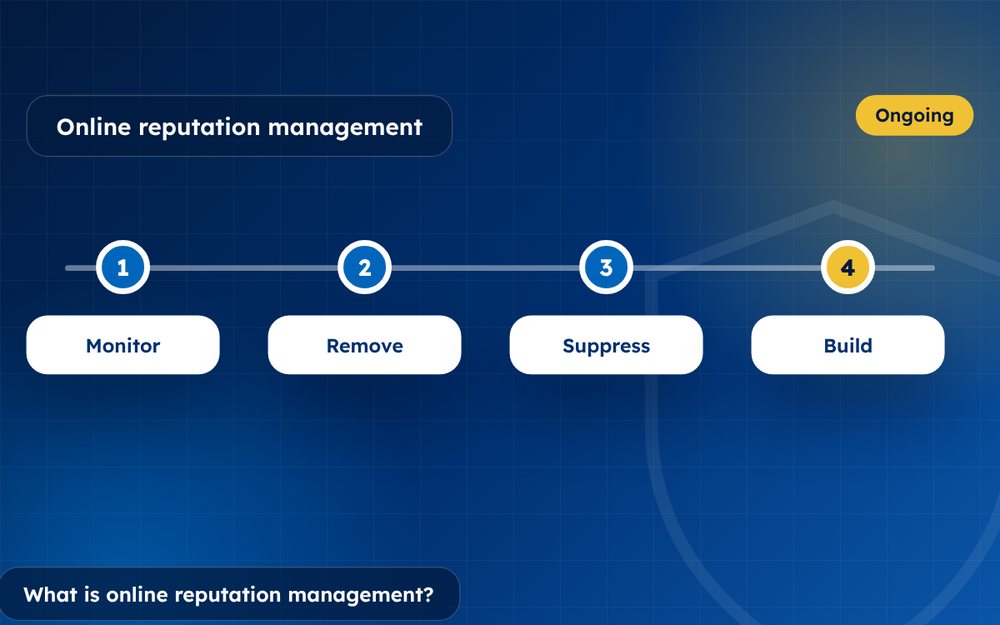
What is online reputation management? A beginner's guide to monitoring, removal, suppression and building a positive online presence.
Read the guide · 4 min
How to Build a Positive Online Reputation, Step by Step
How to build a positive online reputation step by step: profiles, content, reviews, press and monitoring for individuals and businesses.
Read the guide · 4 min
How to Optimize Your LinkedIn Profile to Rank on Google
How to optimise your LinkedIn profile to rank on Google: custom URL, headline, About section and public profile settings.
Read the guide · 3 min