
Fake accounts steal customers, spread scams and damage trust. Protecting your brand needs prevention, monitoring and a fast response.
For a business, fake social media accounts are not just an annoyance. They can steal customers, spread scams, damage trust and even harm sales. Large brands have teams to deal with this. Smaller businesses need a simple system.
The most effective protection is a combination of prevention, monitoring and fast reporting.
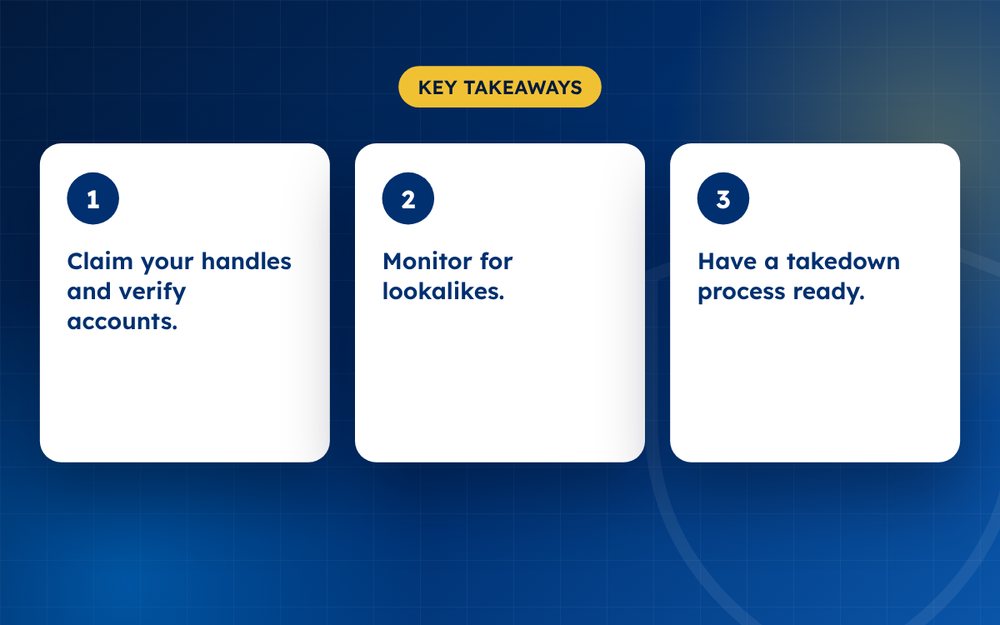
- Claim your handles and verify accounts.
- Monitor for lookalikes.
- Have a takedown process ready.
Steps
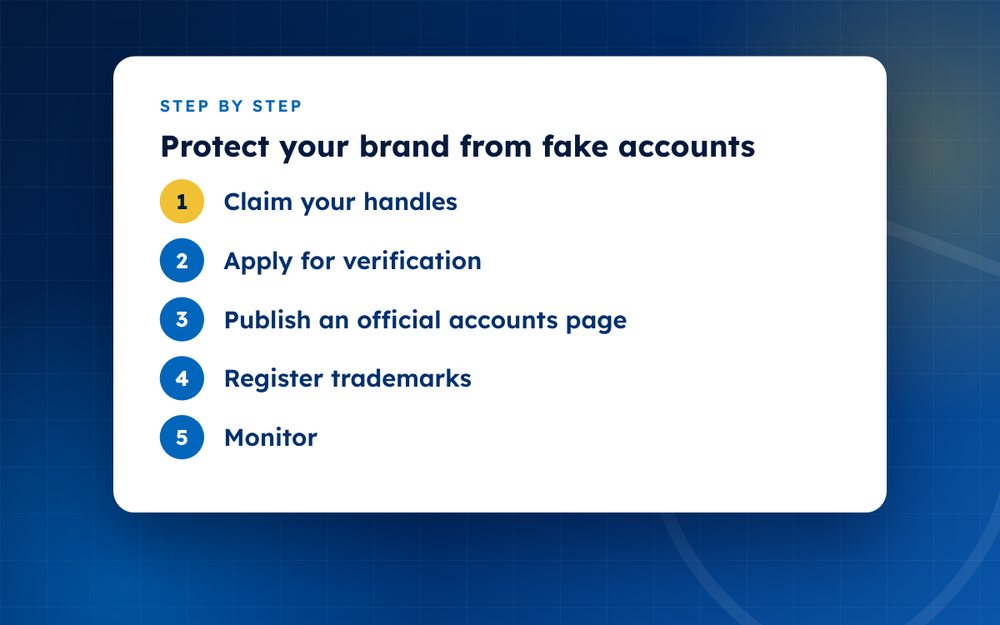
- Claim your handlesRegister your brand name on the main platforms, even if you do not use them yet.
- Apply for verificationVerified accounts help customers tell real from fake.
- Publish an official accounts pageList your real accounts on your website.
- Register trademarksTrademarks strengthen impersonation reports.
- MonitorSearch for lookalike names, logos and handles each week.
- Report quicklyUse each platform's impersonation or trademark form.
- Educate customersTell them how to spot fakes and where to report.
Prevention
- Register your brand name on the main platforms, even if you do not plan to use all of them
- Complete and verify your official profiles, where verification is available
- Publish a page on your website that lists your official accounts
- Use consistent names, logos and handles
- Consider registering trademarks, which can strengthen impersonation reports
Monitoring
Search for your brand name and common misspellings on each major platform. Look for accounts that use your logo or that have similar handles. Set up alerts for brand mentions, and ask customers to tell you if they see suspicious accounts. Make monitoring a weekly task and keep a record of what you find.
Reporting quickly
Most platforms have specific brand or trademark reporting forms. Use them, attach evidence such as your trademark registration or official website and explain how the account is misleading. Report scams to the platform and to your local fraud authority. Speed matters, because the longer a fake is active, the more people it can reach.
Telling your customers
Post regular reminders about how to recognise your official accounts and what you will never ask for, such as passwords or payment by gift card. Educate your support team so that they can help customers who have been targeted. Customers who know what to look for are your best defence.
Building a brand protection routine
Set aside a regular time, such as the first Monday of each month, to review your presence on each platform, search for new fakes and update your list of official accounts. Assign responsibility to someone on your team and keep a shared log. When a new platform becomes popular, claim your handle early.
Review your processes after every incident. What worked? What took too long? Small improvements to your reporting templates and evidence folders will make the next response faster.
We can monitor and report for you. Email us to discuss.
Frequently asked questions
Do I need a trademark?
It helps, because many platforms give brand owners extra tools, but it is not always required for an impersonation report. If you do not have one yet, consider applying, particularly for your main brand name. Check the requirements in each country where you operate.
How do I find fakes?
Search for your brand name, your product names and common misspellings on each platform. Look for accounts that use your logo or copy your posts. Ask customers and staff to report suspicious accounts. Monitoring services can automate parts of this.
Do platforms act on brands?
Most major platforms have brand protection processes and act on valid reports. Results are best when you give clear evidence and use the correct form. Persistent or large-scale abuse may need escalation and specialist support.
Is it worth monitoring?
Yes. Early removal limits damage, and monitoring helps you spot patterns. Even a simple weekly check can make a difference. Larger or higher-risk brands may benefit from a managed service.
What if the fake is in another country?
Platforms operate globally, so reports usually work regardless of where the fake is based. Legal action across borders is harder, so focus on platform reports and on warning customers.
Can fake accounts affect my search results?
Yes, they can appear in search results for your brand. Reporting them and building strong official profiles helps push them down.
Need help with this?
Every situation is different. Email us the details in confidence and we will reply with an honest assessment of what can be done.
Contact us by email Impersonation MonitoringThis guide is general information, not legal advice. DMCA Reputation is not a law firm.
Related guides
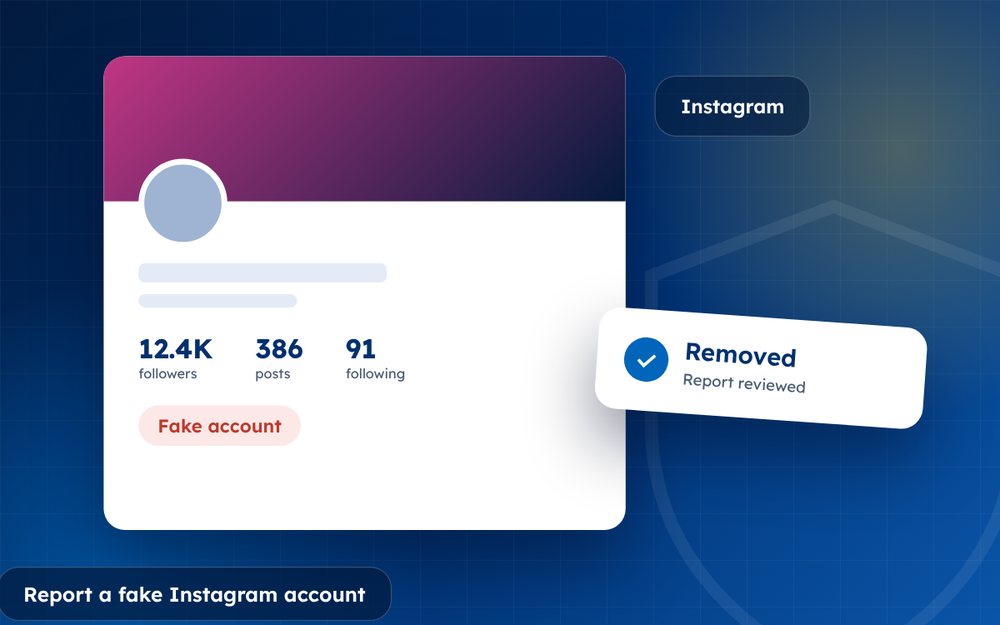
How to Report a Fake Instagram Account Impersonating You
How to report a fake Instagram account impersonating you: reporting steps, what to do without an account, evidence and next steps.
Read the guide · 4 min
How to Remove a Fake Facebook Profile
How to remove a fake Facebook profile impersonating you: reporting steps, the impersonation form and protecting your real account.
Read the guide · 3 min
How to Report a Fake X (Twitter) Account
How to report a fake X (Twitter) account impersonating you: what X's impersonation policy covers and how to report.
Read the guide · 3 min