
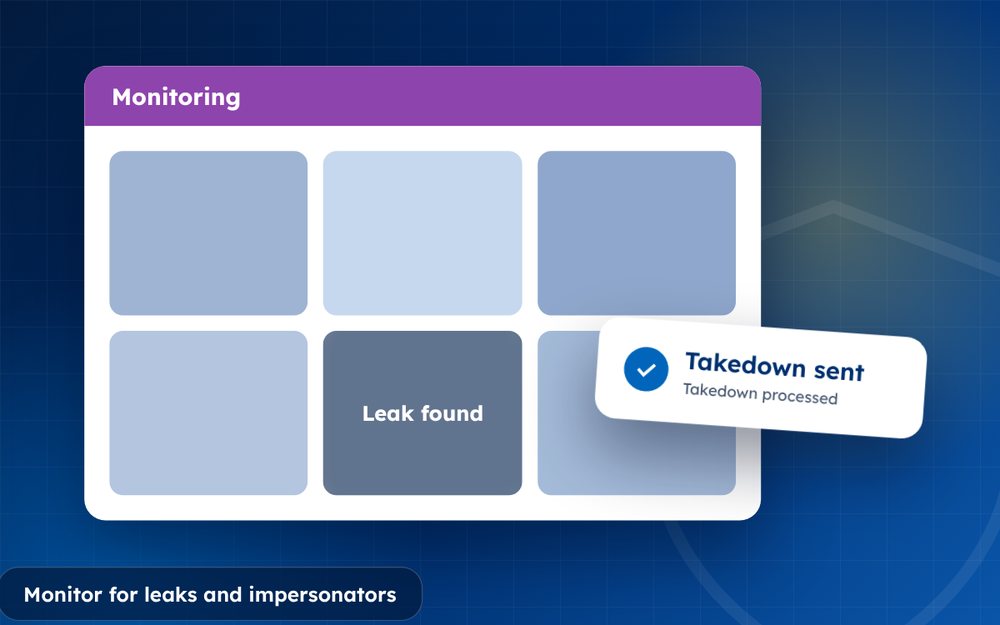
Leaks and fake accounts spread fast. Regular monitoring finds them early so removals are quicker.
If you create content, run a business or have a public profile, someone will eventually copy, leak or impersonate you. The only question is how quickly you notice. Monitoring shortens that time from months to days.
This guide describes a routine that you can run yourself, with a note on when a managed service makes sense.
- Search regularly using names, handles and images.
- Use reverse image search and alerts.
- Log and act quickly.
Steps
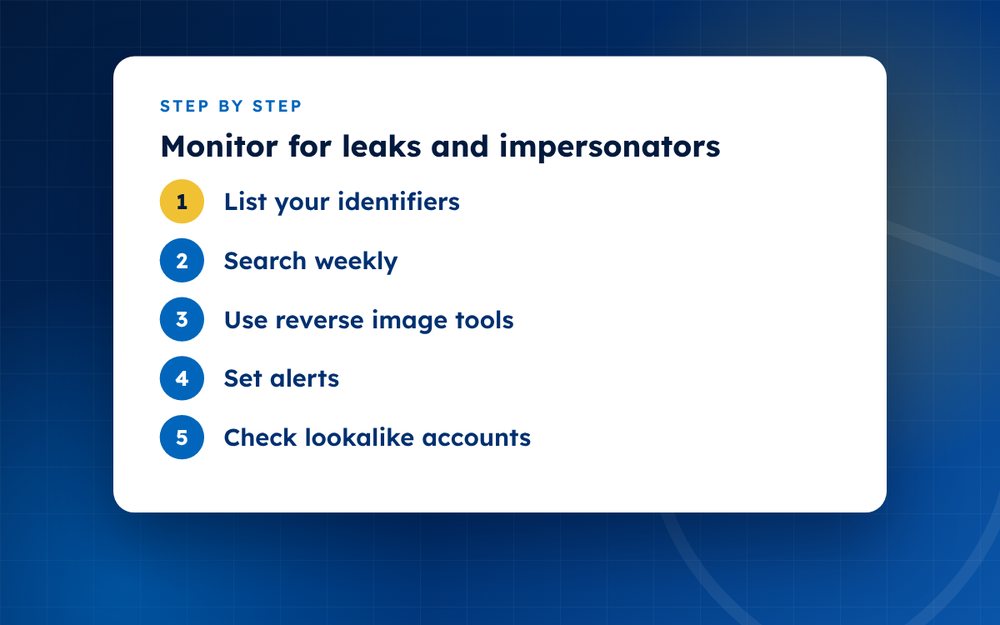
- List your identifiersNames, handles, photos and distinctive content.
- Search weeklyUse search engines and platform searches.
- Use reverse image toolsGoogle Lens, Bing and TinEye.
- Set alertsAlerts for names and handles.
- Check lookalike accountsSearch typo variations.
- Log findingsRecord URLs and dates.
- Act fastSend reports and notices.
Make a list of what to watch
- Your legal name, stage name and handles
- Typical misspellings and look-alike usernames
- Distinctive photos, videos and logos
- Titles and descriptions of your content
- Your website domain and likely copies
- Your key products or services
A weekly routine
Search for each item on major search engines and relevant platforms. Use reverse image search on a sample of images. Search for typo versions of your handle on the platforms where you are active. Check your tagged posts and mentions. Record anything suspicious in a spreadsheet with the link, date and what you did.
Acting on what you find
For leaks, send takedown notices and search removal requests. For impersonation, report to the platform and warn your audience. For stolen content, use copyright notices. Keep your templates ready, so that you can act within minutes. The faster the response, the smaller the damage.
When to use a service
A managed monitoring service can be useful when your content is valuable, when you are a frequent target or when you do not have time to search. Ask what sources it covers, how often it checks, how it handles evidence and how quickly it acts. Be cautious of services that promise to find everything.
Preparing templates
Create templates for the situations you are likely to face: a DMCA notice, an impersonation report, a message to a host and a statement for your audience. Store them in a folder with your original files. When something happens, you can act in minutes instead of hours.
Protecting your wellbeing
Searching for leaks and impersonators can be stressful. Set limits on the time you spend, take breaks and share the task with someone you trust. A calm, steady routine is more effective than a frantic search after a scare. If you find content that upsets you, stop and ask for support.
Our monitoring service handles this for you. Email us.
Frequently asked questions
How often should I check?
Weekly if you are at risk, monthly otherwise. After a leak or a launch, check daily for a while. Consistency matters more than intensity.
Can monitoring be automated?
Partly. Alerts and some tools can automate searches, and managed services can monitor more sources. Human review is still needed to assess matches and send notices.
Is it intrusive?
Monitoring uses public information. It is legal and normal, but avoid collecting personal data about others beyond what you need. Follow platform rules.
What if I find something?
Document it, assess how serious it is and act. Use the appropriate reporting route and keep records. If you feel unsafe, contact the police.
Can I monitor private messages and groups?
No, and you should not try. Focus on public sources. If you learn about content in a private group, report it to the platform.
Will monitoring find everything?
No. Some content is hidden or posted in private places. The aim is to catch as much as possible, as early as possible.
Need help with this?
Every situation is different. Email us the details in confidence and we will reply with an honest assessment of what can be done.
Contact us by email Leak and Breach MonitoringThis guide is general information, not legal advice. DMCA Reputation is not a law firm.
Related guides
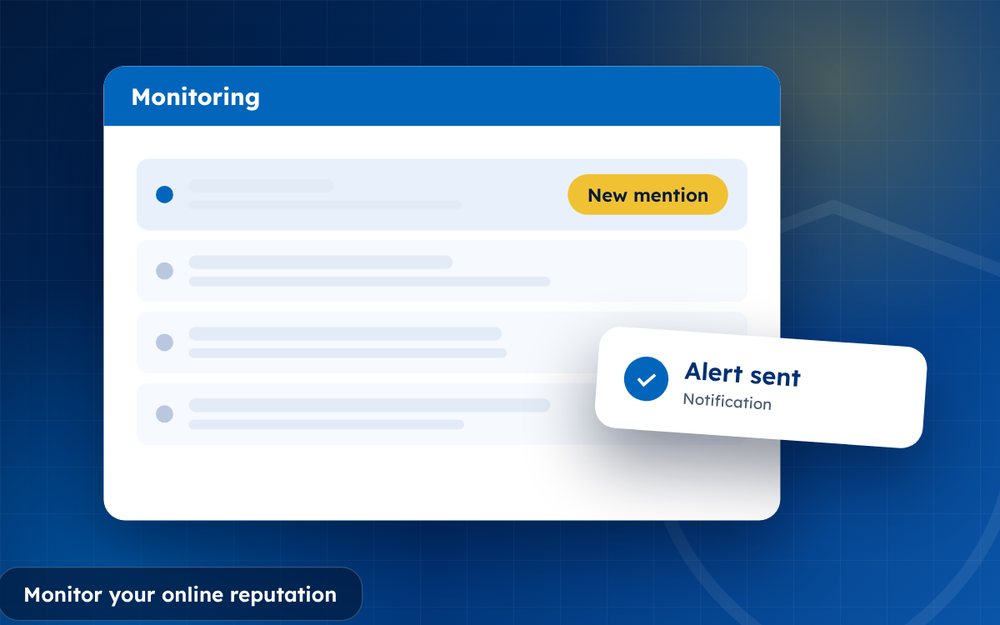
How to Monitor Your Online Reputation (Free and Paid Tools)
How to monitor your online reputation with free and paid tools: alerts, search checks, social listening and review tracking.
Read the guide · 3 min
How to Set Up Google Alerts for Your Name or Brand
How to set up Google Alerts for your name or brand: creating alerts, using quotation marks and managing notifications.
Read the guide · 3 min
What Does ChatGPT Say About You? How to Check and Fix It
What does ChatGPT say about you? How to check what AI assistants say about you or your business, and how to correct wrong or outdated information.
Read the guide · 4 min