
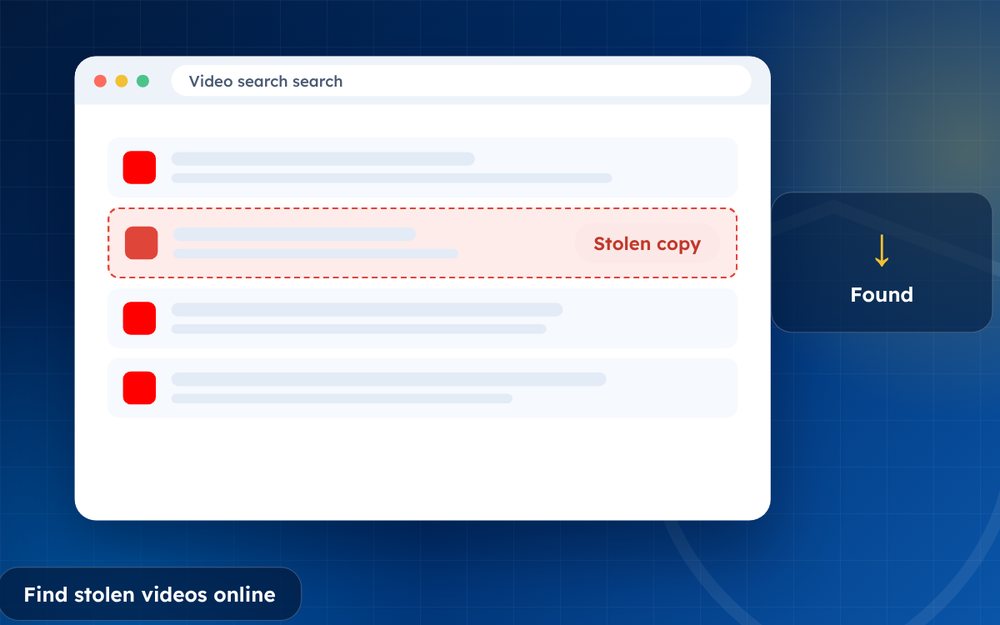
Stolen videos appear on video platforms, social media and piracy sites. Finding them early is the first step to removing them.
Stolen videos rarely stay in one place. They are re-uploaded to video platforms, posted on social media and mirrored on tube sites that profit from advertising. If you want to protect your work, you need a way of finding copies quickly.
The best approach combines search, platform tools and a simple record of what you find.
- Use title, keyword and visual searches.
- Use platform tools where available.
- Log every URL to send notices.
Steps
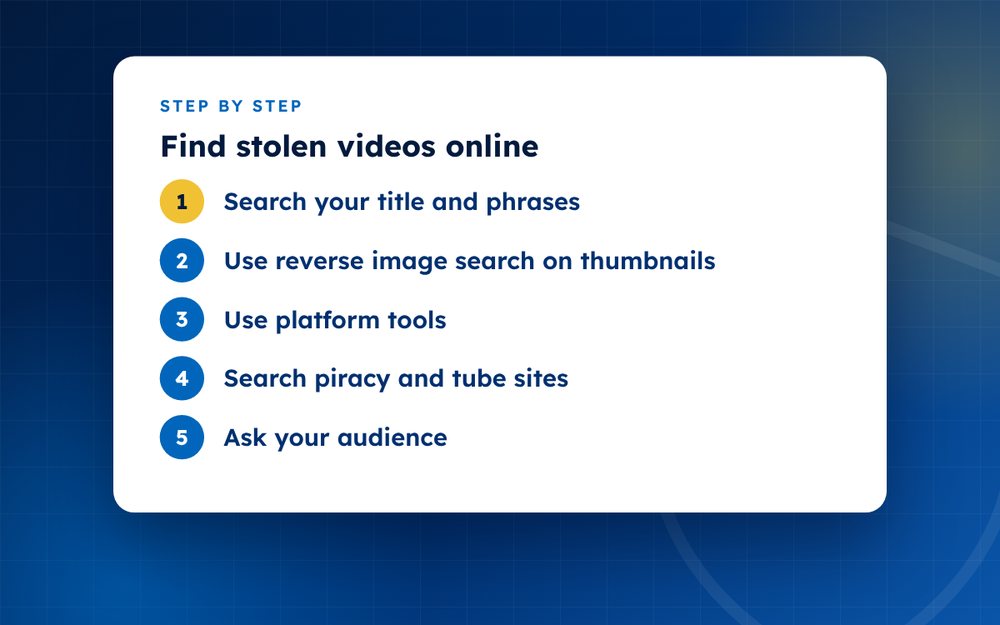
- Search your title and phrasesSearch exact titles and distinctive lines on major platforms and Google.
- Use reverse image search on thumbnailsTry Google Lens, Bing Visual Search and TinEye.
- Use platform toolsYouTube Copyright Match and similar tools find re-uploads.
- Search piracy and tube sitesCheck by title and by your channel name.
- Ask your audienceViewers often spot copies first.
- Record URLsKeep a spreadsheet with URL, date and status.
- Set up monitoringRepeat weekly or use a monitoring service.
Searching by text
Search for the exact title of your video, distinctive phrases from the description and your channel or brand name, together with words such as re-upload, download or full video. Try the search tools on each major platform and on general search engines. Copies often keep your title or add small changes, so try variations.
Searching by image
- Use reverse image search on your thumbnail, which thieves often copy
- Take screenshots of memorable scenes and search those
- Use tools such as Google Lens, Bing Visual Search and TinEye
- Check the visually similar results as well as exact matches
Using platform tools
YouTube's Copyright Match tool, where available, finds re-uploads automatically. Other platforms have their own reporting and detection tools, and some offer content identification for eligible rights holders. If you have a large catalogue, ask whether a content identification service or a monitoring provider is appropriate.
Keeping a log
Record each copy in a spreadsheet with the link, the platform, the date and what you did. This helps you send takedown requests, spot repeat offenders and show a pattern if you need to escalate to a host or a lawyer. It also saves you from reporting the same copy twice.
Why speed matters
The first 48 hours after you publish are often the most valuable window for your video. Copies uploaded during that period can capture search traffic and recommendations that would otherwise go to you. Early detection lets you send notices while the copies still have few views, which makes removal easier and limits financial loss.
If you publish on a schedule, add a quick check to your release routine. Search your title on the main platforms on the same day and again two days later. A ten minute habit can save hours of cleaning up later.
We can monitor for you and send takedowns. Email us the details.
Frequently asked questions
Can I search by video content?
Not directly with most public tools, but you can take screenshots of distinctive frames and run image searches on them. Some professional monitoring services match video content automatically. For most creators, a mix of title searches, thumbnail searches and platform tools is enough.
Are alerts available?
Yes. You can set up alerts for your title or brand name, which tell you when new pages mention them. Alerts will not catch every copy, but they are free and quick to set up, and they help you notice copies that use your original title.
What if the copy is edited?
Edited copies still infringe if they use a substantial part of your work. Thieves often crop, mirror, speed up or add overlays to avoid detection. Compare carefully and, if the edit is minor, report it with timestamps. If the edit is heavy, consider whether fair use or fair dealing could apply.
How often should I check?
Weekly if you publish regularly or have a popular channel. After a new release, check more often in the first few days, because that is when copies tend to appear. Set a reminder so that it becomes a habit.
Should I contact the uploader first?
For small channels that seem to have made a mistake, a polite message can work. For commercial pirates or hostile uploaders, go straight to formal takedown requests. Keep records of any messages.
What if I find the video on a site that ignores notices?
Send a notice to the host and the registrar, and ask Google to remove the pages from search. Reducing visibility is often more effective than trying to persuade the site.
Need help with this?
Every situation is different. Email us the details in confidence and we will reply with an honest assessment of what can be done.
Contact us by email Stolen Video RemovalThis guide is general information, not legal advice. DMCA Reputation is not a law firm.
Related guides
How to Get a Stolen YouTube Video Taken Down
How to get a stolen YouTube video taken down: find re-uploads, use Copyright Match, file a copyright complaint and handle counter-notices.
Read the guide · 4 min
How to File a YouTube Copyright Takedown, Step by Step
How to file a YouTube copyright takedown step by step: the webform, required details, strikes and what happens after you submit.
Read the guide · 5 min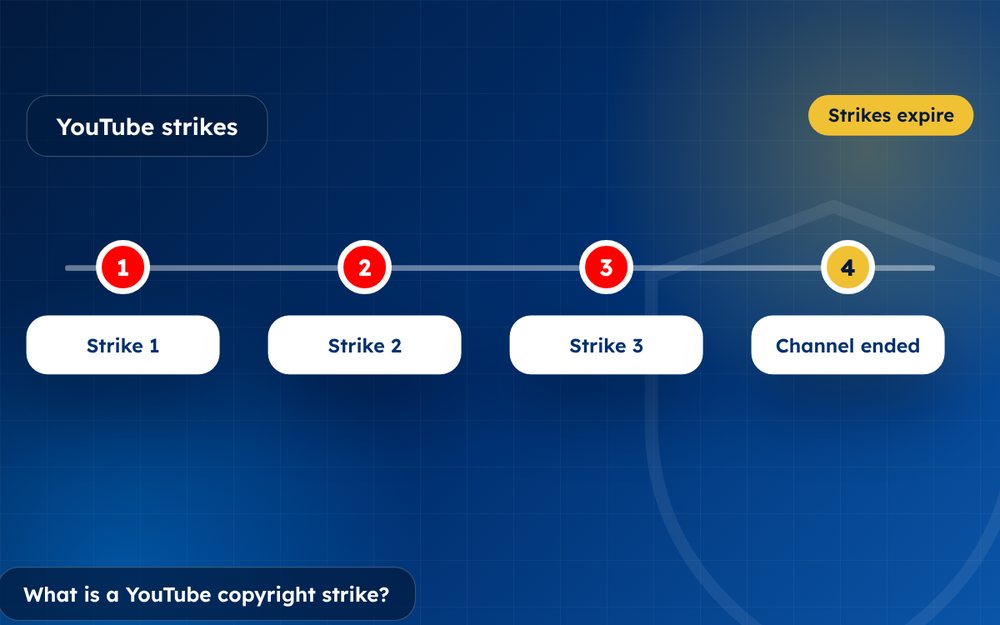
What Is a YouTube Copyright Strike and How Does It Work?
What is a YouTube copyright strike and how does it work? How strikes differ from Content ID claims, how long they last and how to respond.
Read the guide · 3 min